Zero Eutrophication
This objective addresses the major problem of eutrophication of the marine environment, the most severely affected area being the Baltic Sea. Negative consequences of eutrophication include algal blooms and deteriorating oxygen conditions in the water and sediment.
The Objective
Nutrient levels in soil and water must not be such that they adversely affect human health, the conditions for biological diversity or the possibility of varied use of land and water.
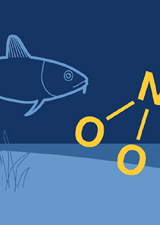
Illustration: Tobias Flyger
Eutrophication occurs when nutrient levels in the environment become too great. Sources of eutrophication include manure from agriculture, discharge of waste water, or the deposition of airborne nitrogen compounds.
How do we achieve this objective?
Because many countries are responsible for emissions containing the eutrophic substances phosphorous and nitrogen, efforts to reduce these materials must be done at an international level in order to achieve this objective. In addition, there are several international conventions and directives that Sweden is a part of and must follow.
The Helsinki Commission (HELCOM), comprised of countries around the Baltic Sea, has drawn up the Baltic Sea Action Plan (BSAP) which includes efforts to reduce eutrophication. The plan states the maximum load which member states within the commission have agreed upon with regard to the Baltic. The objective is also linked to the implementation of the EU's Marine Strategy Directive and objectives in the Marine Environmental Regulation.


